
about alvor - a short story
With a current population of 6,314 residents and a area of 15.25km² (census 2021), Alvor is a small fishing village with a long, layered history, tucked beside the Ria de Alvor estuary on Portugal’s Algarve. Whitewashed lanes, a 16th-century church, and traces of the old castle tell its past, while boats still bring in the day’s catch for the harbor grills. The surrounding dunes, saltmarsh, and tidal flats form a Natura 2000 protected area, with wooden boardwalks and wide sands that keep nature close and development low—perfect for slow walks, bird-watching, and unhurried seaside days.
Relevant chronological events
436 BC a trading post called Portus Hannibalis was probably founded in present-day Alvor by the Carthaginian general Hannibal Barca. +info
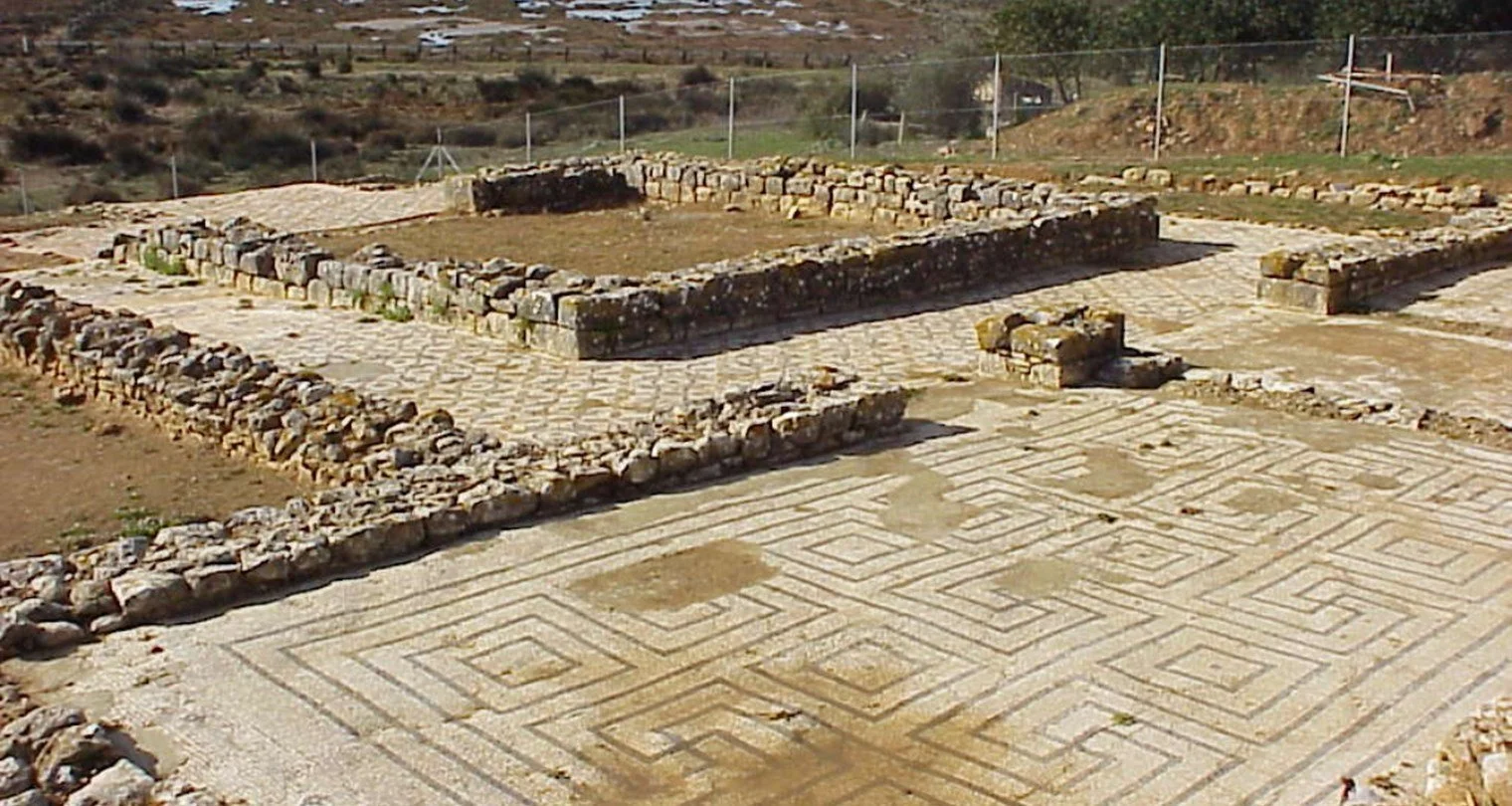
1st–5th c. AD — A Roman seaside villa flourishes at Quinta da Abicada beside the estuary. (Site now classified as a National Monument, decree 20 Aug 1946.) +info
711–8th c. — Islamic conquest of the Algarve; the place (often styled Albur) gains a castle of Moorish origin. +info
3 Jun 1189 — King Sancho I and passing crusaders seize Alvor; chroniclers record a massacre. +info
1 Nov 1755 — The Lisbon earthquake/tsunami ruins much of the village and castle. +info
15 Jan 1975 — The Alvor Agreement (signed at Hotel Penina, Alvor) sets Angola’s path to independence. + info
19 Apr 1988 — Alvor is officially (re)raised to vila (town) status by Lei n.º 42/88. +info
8 May 1996 — Ria de Alvor is designated a Ramsar wetland (1,454 ha). + info
1 Jun 1999 — Ria de Alvor becomes a Natura 2000 site (PTCON0058). +info
1191 — The Almohads retake the area. +info
1249–1250 — Final incorporation of Alvor/Algarve into the Portuguese realm under Afonso III. (Dates vary by source.) +info
c. 1300 — King Dinis orders reconstruction of the castle. +info
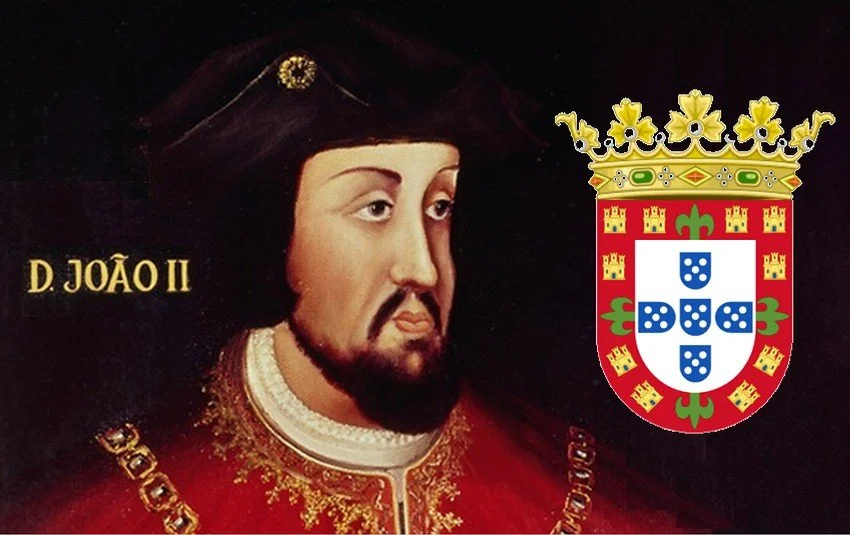
25 Oct 1495 — King John II dies at Alvor. +info
1520s–16th c. — The parish church, Igreja Matriz do Divino Salvador, is built; famed Manueline portal. +info